Achieving Band 9 in IELTS Speaking is rare. Many students walk into the exam with good English, yet they score 6.5 or 7. Others memorize long answers and still lose marks.
The reason is simple. Most candidates do not truly understand how IELTS examiners evaluate speaking performance.
When you know what examiners actually listen for, your preparation becomes far more effective. At InSync Learning and Development, students learn directly from a former British Council IELTS examiner with more than 24 years of teaching experience who has assessed over 35,000 test takers. This kind of insight changes how students approach the speaking test.
If you are preparing for IELTS, especially in Chennai, structured guidance from experts at a dedicated training centre such as the IELTS Coaching Centre in Chennai can make a significant difference.
Let’s break down what truly separates Band 9 speakers from the rest.
How IELTS Speaking Is Actually Evaluated
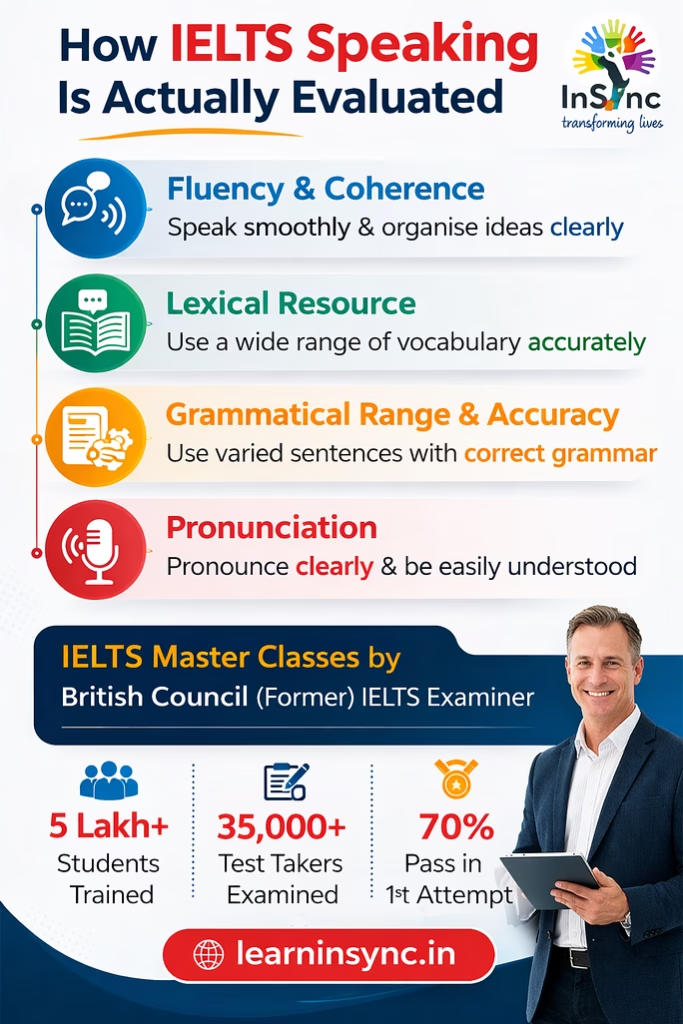
Many students believe speaking fluently alone guarantees a high score. In reality, IELTS speaking is graded across four specific criteria.
Understanding these categories is the first step toward improving your band score.
Fluency and Coherence
Fluency means speaking naturally without frequent pauses or hesitation. It does not mean speaking quickly.
Examiners look for candidates who can:
- express ideas clearly
- connect sentences smoothly
- speak without long breaks or unnatural pauses
Candidates who memorize answers often struggle here. Once the examiner asks an unexpected question, their fluency drops immediately.
Regular speaking practice and feedback help improve this skill. Students preparing through structured programs like the IELTS training program in Chennai often practice these responses through mock speaking sessions.
Also, Read – InSync Learning: IELTS Coaching by Shane Jordan – 766+ Google Reviews & 4.9/5 Rating
Lexical Resource
Lexical resource refers to vocabulary usage.
A Band 9 speaker does not necessarily use extremely complex words. Instead, they use vocabulary naturally and appropriately.
Examiners prefer:
- precise word choice
- minimal repetition
- natural expressions and collocations
Using advanced words incorrectly can actually reduce your score.

Grammatical Range and Accuracy
Grammar is important, but perfection is not required.
Band 9 candidates typically show:
- a mix of simple and complex sentences
- accurate grammar most of the time
- good control over tenses and structures
Small mistakes are acceptable if communication remains clear.
Pronunciation
Many candidates worry about their accent. The truth is, accent is not graded.
Examiners look for:
- clear pronunciation
- correct stress patterns
- natural rhythm of speech
You can score Band 9 even with an Indian accent as long as your speech is clear and easy to understand.

The Biggest Mistakes Students Make in IELTS Speaking
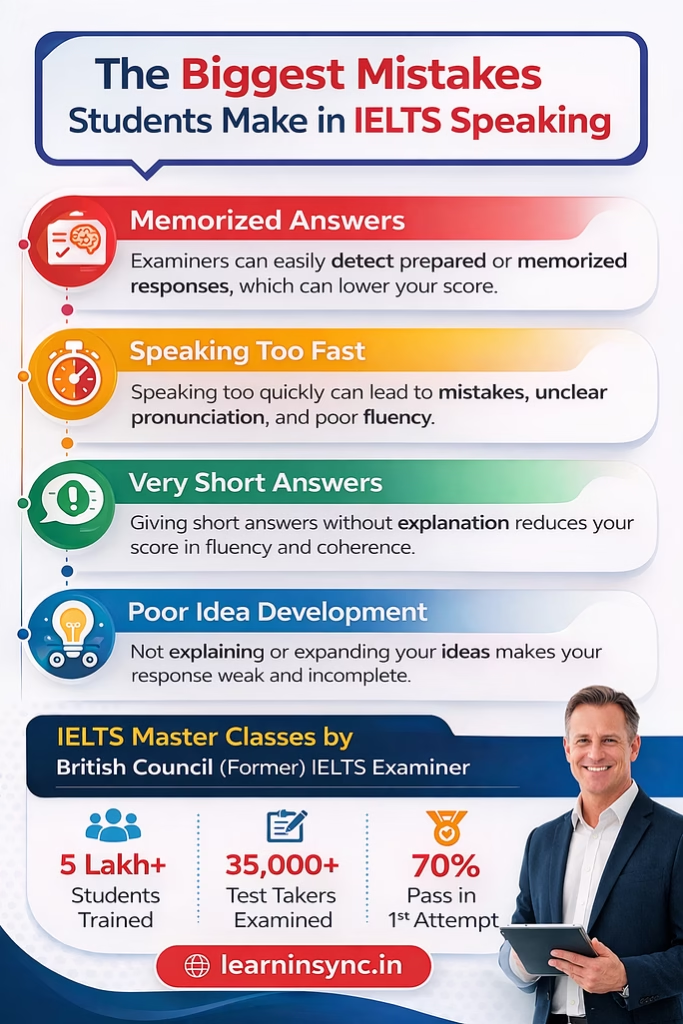
Even strong English speakers sometimes lose marks due to avoidable mistakes.
Here are some common problems examiners notice.
Memorized Answers
Many candidates memorize responses from the internet. Examiners recognize rehearsed answers immediately.
This often leads to unnatural speech and lower fluency scores.
Suggested – How to Convert PTE Scores into IELTS Bands
Speaking Too Fast
Some students believe speaking fast sounds impressive. In reality, it often leads to unclear pronunciation and grammatical errors.
Very Short Answers
Short responses limit your ability to demonstrate vocabulary and grammar.
Poor Idea Development
Examiners want to see how well you can expand ideas naturally.
Many students get stuck at Band 6.5, and it can be frustrating. This happens often, and you can read more about why in this article on why some learners stay at Band 6.5 in IELTS.
Secrets Only a Real IELTS Examiner Knows
Students often ask: What makes Band 8 or 9 candidates stand out? After assessing thousands of test takers, examiners have noticed some clear patterns.
- Examiners Spot Memorized Answers
If you try to use memorized answers, it usually sounds unnatural. When the examiner changes the question slightly, it’s hard to adjust. Band 9 speakers, on the other hand, answer confidently and naturally on the spot. - Fluency Matters More Than Fancy Words
Many candidates focus too much on using big, fancy words. But speaking naturally is more important. Someone who talks smoothly with simple words often scores higher than a person who struggles with complex vocabulary. - Short Pauses Are Okay
It’s completely fine to take a small pause to think. You don’t need to speak without stopping. Examiners expect it.
Long silence, however, affects fluency scores.
Expand Every Answer
A useful technique is the “idea expansion” approach. Instead of giving one sentence, add:
- a reason
- a short example
- a personal opinion
This helps demonstrate vocabulary, grammar, and fluency.
Band 9 Speakers Sound Natural
Band 9 speakers do not sound like they are taking a test. They sound like they are having a conversation.
This is why regular speaking practice is essential.
At InSync Learning and Development, students practice through weekly speaking sessions and mock tests, helping them gain confidence before the real exam.
A Real Band 9 Speaking Example
Question:
Describe a place you enjoy visiting.
Example Answer
“I really enjoy visiting Marina Beach in Chennai. I usually go there early in the morning because the atmosphere is very peaceful at that time. Watching the sunrise over the sea is something I find very relaxing. I also enjoy taking long walks along the beach, especially during weekends when I need a break from work.”
Why This Works
This answer demonstrates:
- smooth fluency
- natural vocabulary
- clear pronunciation
- simple but effective grammar
It also develops the idea instead of giving a short response.
You May Also Like – How InSync Learning and Development Helps Students Score 8+ Bands in IELTS
How to Improve Your IELTS Speaking Fast
Getting better at speaking English for IELTS doesn’t happen in one day—but if you practice regularly, you’ll see real improvement. Here’s how you can do it:
1. Speak Every Day
Try to talk in English for 15–20 minutes every day. Even short chats help a lot!
2. Record Yourself
Record your answers and listen to them. This helps you notice mistakes in pronunciation or speed, so you can improve.
3. Learn Useful Words
Focus on words you will actually use, not really hard words that are rarely needed.
4. Take Practice Tests
Mock tests help you get used to the real exam and feel more confident.
At InSync Learning and Development, students do weekly reading and listening tests just like the real IELTS.
Why Expert Feedback Matters
Getting advice from someone who has marked real IELTS exams is a big advantage.
At InSync Learning and Development, classes are taught by a former British Council IELTS examiner, so students get:
- Honest predictions of their scores
- Personalized feedback on speaking
- Detailed writing corrections
- Clear tracking of their progress
This method has helped thousands of students reach their goals.
You can also read real student stories on the testimonials page or check out verified reviews on Google.

What Band 9 Speakers Do Differently
Candidates who achieve Band 9 usually develop a few strong habits during preparation.
They:
- think in English instead of translating
- Focus on communication rather than memorization
- Practice real conversations
- Stay calm during the exam
Many also prepare through structured coaching programs. If you are exploring training options, this guide on top IELTS coaching centres in Chennai may help you compare institutes.
Students from nearby regions can also attend the program at the IELTS coaching centre in Pondicherry.
Tips from a Former IELTS Examiner
Here are a few final tips examiners often share with students.
- Never memorize speaking answers
- Focus on clear communication
- Expand your responses naturally
- Practice with real exam questions
- Take mock tests regularly
Some students try to prepare in a very short time. If you are considering that approach, this article explains the realistic expectations of preparing for IELTS in 15–30 days.
Final Thoughts
Scoring Band 9 in IELTS Speaking requires more than strong English skills. It requires understanding how the test is evaluated and practicing in the right way.
Students who receive guidance from experienced trainers, especially those who have worked as IELTS examiners, gain a clear advantage. They understand exactly what the examiner expects.
If you want structured preparation, personalized feedback, and realistic band score guidance, you can reach the team at InSync Learning and Development.
You can also stay connected with the institute’s learning resources and updates on:
LinkedIn
https://www.linkedin.com/company/insync-learning-development-pvt-ltd/
YouTube
https://www.youtube.com/@insyncld860
Instagram
https://www.instagram.com/insyncielts_oet/
With the right preparation strategy and consistent practice, achieving a high band score in IELTS speaking becomes far more achievable.
FAQ:
1. Is it really possible to score Band 9 in IELTS Speaking?
Yes, it is possible to score Band 9 in IELTS Speaking, but it is relatively rare. Candidates who achieve Band 9 usually demonstrate natural fluency, clear pronunciation, strong vocabulary, and the ability to develop ideas confidently during the conversation. They also understand how the speaking test is evaluated and avoid memorized answers. Practicing with expert feedback and taking regular mock tests can significantly improve your chances of reaching a higher band score.
2. Do I need a British or American accent to score Band 9 in IELTS Speaking?
No, you do not need a British or American accent to score Band 9. IELTS examiners evaluate pronunciation based on clarity, stress, and natural rhythm, not accent. Candidates from India and many other countries regularly achieve high band scores while speaking with their natural accent. The key is to speak clearly and ensure your words are easy to understand.
3. How can I improve my fluency for IELTS Speaking?
Improving fluency requires consistent practice. Some effective strategies include speaking in English daily, recording your answers to IELTS questions, expanding your responses instead of giving short answers, and practicing with mock speaking tests. Working with experienced trainers or receiving examiner-style feedback can also help identify mistakes and improve fluency faster.
4. Are memorized answers acceptable in the IELTS Speaking test?
No, memorized answers are not recommended. IELTS examiners are trained to recognize rehearsed responses very quickly. When answers sound unnatural or unrelated to the question, candidates may lose marks in fluency and coherence. It is always better to respond naturally and conversationally develop your ideas.
5. How long does it usually take to achieve Band 7 or higher in IELTS Speaking?
The preparation time varies depending on a student’s current English level. Some learners may need several months to improve their speaking skills, while others can reach their target band in a shorter period with focused practice. Regular speaking sessions, mock tests, vocabulary development, and expert feedback are key factors that help candidates improve their scores more efficiently.
Related Post – How long should you prep for IELTS?